UK Business Owners in Italy Post-Brexit: Complete 2026 Guide for Success

The business environment between the UK and Italy has transformed dramatically after Brexit, but this hasn't stopped the ambition of British entrepreneurs. In fact, despite the new regulatory challenges, British investment in Italy continues to grow into 2026. This guide will help you understand the complexities and seize the opportunities that await British entrepreneurs in the Bel Paese.
The transition from EU membership to third-country status has introduced significant changes. UK citizens are now considered non-EU/EEA under Italian law, which impacts everything from business registration to banking relationships. Recent VAT reforms have added another layer of complexity, with cross-border VAT measures particularly affecting UK businesses operating across multiple EU markets.
Fortunately, the UK-Italy Double Taxation Treaty remains in force, preventing double taxation on business profits, dividends, interest, and royalties. However, practical implementation requires careful planning and more thorough documentation to avoid unnecessary tax burdens.
Indice
How Brexit Fundamentally Changed UK-Italy Business Relations
The transition from EU membership to third-country status has introduced several significant changes for UK entrepreneurs. The most impactful transformation affects your legal status: UK citizens are now treated as non-EU/EEA nationals under Italian law, impacting everything from business registration to banking relationships.
Recent VAT reforms have added another layer of complexity. The Italian Budget Law implemented new cross-border VAT measures affecting UK businesses, particularly those operating across multiple EU markets. The special cross-border scheme for small businesses allows UK-owned businesses with EU-wide taxable sales below €100,000 to benefit from VAT exemption, provided they respect each nation's threshold (not exceeding €85,000 annually).
Navigating Visa and Residence Permit Requirements
For stays exceeding 90 days, UK nationals must secure appropriate authorization before conducting business activities in Italy. The process varies depending on your business model and investment capacity, but with the right preparation, it's absolutely manageable.
Italy Startup Visa Route
The Italy Startup Visa represents one of the most interesting pathways for British entrepreneurs. This route requires a minimum investment of €50,000 and approval of a business plan by a special Evaluation Committee. Once approved, you receive an initial one-year visa, renewable upon demonstrating business progress. The entire evaluation process typically takes 30-45 days, with an application fee of €116 for the national D-type visa. Many British entrepreneurs have found this route particularly advantageous as it provides direct access to the Italian startup ecosystem, including incubators and funding programs.
Elective Residence Visa for Entrepreneurs
For entrepreneurs with passive income or substantial business funds, the Elective Residence Visa offers an interesting alternative. Unlike the Startup Visa, this route focuses on demonstrating economic self-sufficiency rather than a specific business plan. The visa requires annual renewal with proof of ongoing business activity, with costs ranging between €70-€100 per year for residence permit renewal. This option is particularly popular among British entrepreneurs who already run online businesses or have international income sources.
Short-Term Business Travel
Good news for British entrepreneurs: UK citizens can travel to Italy visa-free for business purposes up to 90 days in any 180-day period. The Electronic Travel Authorization (ETA/ETIAS) system has been implemented for UK citizens entering the Schengen Area. UK nationals now need to obtain ETIAS authorization before traveling to Italy for business visits. This online authorization costs approximately €7 and is valid for 3 years or until passport expiry. Despite this additional step, the process remains straightforward, allowing you to attend trade fairs, meet with clients, or conduct market evaluations without extensive bureaucratic procedures, as long as your stay doesn't exceed 90 days.
The business registration process now requires additional steps for UK nationals, but with proper guidance, establishing your Italian entity is straightforward. Understanding the available options and requirements will help you make informed decisions for your business expansion.
Popular Business Structures
The SRL (Società a Responsabilità Limitata), or Limited Liability Company, remains the most popular choice for British entrepreneurs. This structure requires a minimum capital of €10,000 for traditional SRLs, though the simplified SRL semplificata allows starting with just €1. At least 25% of the capital must be deposited in an Italian bank during formation. The setup timeline typically takes 4-6 weeks for UK nationals (compared to 2-3 weeks for EU citizens), with notarization costs ranging from €1,000-€2,000 for document processing. Despite the additional requirements, the SRL offers limited liability protection and greater credibility with Italian banks and suppliers.
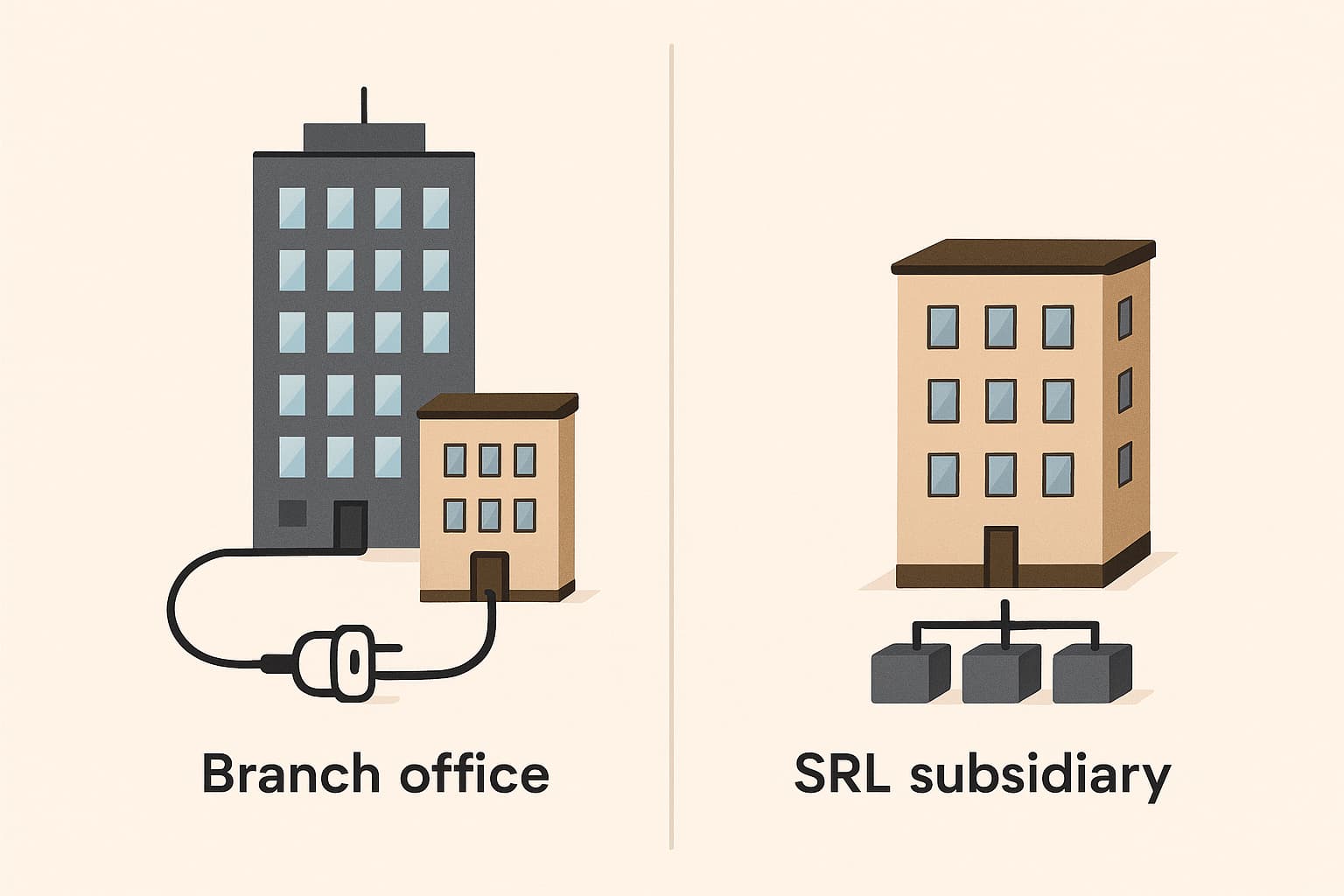
When deciding between a branch office versus subsidiary, many UK businesses opt for a subsidiary structure. Subsidiaries provide limited liability and are treated as separate Italian tax residents, potentially offering better tax optimization opportunities. While branches might seem simpler initially, subsidiaries provide long-term advantages for businesses planning significant operations in Italy.
Required Documentation
Proper documentation preparation is important for a smooth registration process. You'll need a valid passport and residence permit, Italian tax code (codice fiscale), and proof of Italian address through rental or ownership agreement. The articles of association must be notarized, and you'll need bank deposit confirmation and KYC documentation for banking relationships. Working with an Italian commercialista from the beginning can help this process significantly, as they're familiar with the specific requirements for UK nationals and can help avoid common pitfalls that might delay your registration.
Taxation and Double Treaty Considerations
The UK-Italy Double Taxation Treaty remains in force post-Brexit, preventing double taxation on business profits, dividends, interest, and royalties. However, practical implementation requires careful planning and more thorough documentation to avoid unnecessary tax burdens.
Corporate Tax Structure
Understanding Italian corporate tax structure is essential for UK businesses operating in Italy. The standard IRES (Corporate Income Tax) rate is 24%, though qualifying companies may benefit from a reduced rate of 20%. Additionally, businesses must pay IRAP (Regional Production Tax), which varies between 3.9-4.82% depending on region. VAT is set at 22% standard rate, with reduced rates available for specific goods and services. Social security contributions represent another significant cost, with employers contributing 30-32% of salary and employees paying up to 43% of their income.
Tax Optimization Opportunities
Italy offers several tax optimization opportunities for UK businesses. Startup incentives provide reduced tax rates for innovative businesses, particularly those in technology or research sectors. The patent box regime offers IRES exemption on income from intellectual property, making it attractive for UK businesses with valuable patents or trademarks. R&D tax credits provide enhanced deductions for research and development activities, encouraging innovation and investment. Regional incentives offer benefits for businesses locating in development areas, particularly in southern Italy or regions undergoing economic transformation. Working with a knowledgeable commercialista can help you understand these opportunities and ensure compliance while maximizing tax efficiency.
Banking and Financial Services: Current Challenges
UK entrepreneurs face increased scrutiny and requirements when establishing banking relationships in Italy, but understanding these challenges helps prepare effectively.
Banking Hurdles
Post-Brexit anti-money laundering checks are stricter for UK citizens, resulting in enhanced due diligence procedures that can extend account opening timelines. Some UK banks no longer support direct EUR transfers to Italian accounts, creating SEPA access issues that require alternative payment solutions. Italian banks now request more detailed business plans and proof of funds, particularly for UK nationals. As a result, processing timelines for account opening can take 2-4 weeks longer than for EU nationals, requiring advance planning and patience.
Financial Planning Considerations
Currency risk management has become increasingly important, as GBP/EUR volatility impacts budgeting and pricing strategies. Many UK entrepreneurs are turning to cross-border payment solutions like Wise or Revolut for more efficient transfers and better exchange rates. Establishing local banking partnerships with banks experienced in international business can significantly streamline the process. Some Italian banks have developed specialized services for international clients, offering English-speaking support and expertise in cross-border banking requirements. Building these relationships early in your business journey can provide valuable guidance and smoother financial operations as your business grows.
Proven Success Strategies for UK Entrepreneurs
Many British entrepreneurs have succeeded in the post-Brexit environment by adopting specific strategies that combine local expertise with their international experience.
Local Expertise Integration
The most successful UK entrepreneurs prioritize engaging specialist advisors from day one, hiring English-speaking commercialista (accountant) and legal counsel who understand both Italian requirements and international business needs. Building local networks through organizations like the British Chamber of Commerce Italy and local business associations provides valuable connections and insights. Cultural adaptation is important – understanding Italian business culture and communication styles can significantly impact relationship building and negotiation success.
Strategic Business Structure
Considering joint ventures with Italian businesses can provide immediate market access and local expertise that would take years to develop independently. Some UK entrepreneurs optimize holding structures using international holding companies for tax efficiency while maintaining operational simplicity. Embracing digital transformation by leveraging Italian government e-portals for registration and reporting streamlines administrative processes and reduces compliance burdens.
Market Positioning
Focusing on premium sectors where British expertise is particularly valued – such as luxury goods, specialized consulting, and innovation-driven services – can differentiate your business in the Italian market. Many UK entrepreneurs successfully use British heritage, as UK brands maintain strong cachet in certain Italian markets, particularly in technology, finance, and creative industries. Adopting a digital-first approach through e-commerce enables cross-border operations with minimal physical presence requirements, reducing initial investment while testing market receptiveness.
Current Market Opportunities in Italy (2026)
Despite regulatory challenges, several sectors present significant opportunities for UK businesses looking to expand into Italian market.
High-Growth Sectors
Italy's digital transformation initiatives in government, healthcare, and industry create substantial demand for UK tech expertise. British companies specializing in digital services, cybersecurity, and software development find receptive market with growing need for their skills. The renewable energy sector benefits from Green Deal incentives that attract UK firms specializing in sustainable technology and green solutions. Creative industries show strong growth, with English-language media, marketing agencies, and educational services in high demand as Italian businesses seek international expertise. Food and beverage innovation presents opportunities for UK companies offering sustainable packaging and distribution solutions that meet growing consumer demands for environmentally friendly products.
Investment Statistics
The positive trend is reflected in continued British investment in Italy, demonstrating confidence despite Brexit challenges. UK-Italian tech partnerships continue to grow, indicating successful collaboration between the two countries' innovation ecosystems. While the regulatory environment has changed, the fundamental business relationship between UK and Italy continues to strengthen through strategic investments and partnerships.
Compliance and Deadlines: 2026 Calendar
| Date | Requirement | Impact for UK Businesses |
|---|
| June 30, 2026 | IRES/IRAP First Advance Payment | 40% of previous year's tax due |
| June 30, 2026 | Tax Balance Payment (2025) | Extended to July 30 with 0.4% surcharge |
| October 31, 2026 | Annual Tax Return Filing (2025) | Includes international disclosures |
| November 30, 2026 | IRES/IRAP Second Advance Payment | Remaining 60% of estimated tax |
| April 30, 2027 | Annual VAT Return (2026) | Cross-border reporting requirements |
| Ongoing Quarterly | VAT LIPE (May 31, Sep 30, Nov 30) | Quarterly VAT summary filing |
| 60 days before expiry | Residence Permit Renewal | Business activity verification required |
Additional Compliance Dates
- Monthly VAT payments: Due by 16th of following month
- Quarterly VAT payments: May 16, August 20, November 16, 2026
- Financial statements approval: April 29, 2026 (for Dec 31 year-end companies)
Real Success Stories: UK Entrepreneurs Thriving in Italy
Tech Startup Success
Several UK tech founders have successfully utilized the Italy Startup Visa program to launch AI-based service companies in Milan. One notable example involves a London-based data analytics firm that established an Italian subsidiary, securing €250,000 in EU innovation funding within six months of operation.
Luxury Brand Expansion
A British luxury accessories brand partnered with Italian distributors to access the domestic market, leveraging Italy's reputation for craftsmanship while maintaining UK design aesthetic. The collaboration resulted in a 45% revenue increase in Italian market penetration within the first year.
Professional Services Growth
UK consulting firms specializing in digital transformation have found strong demand from Italian companies seeking to modernize operations. By establishing joint ventures with local partners, these firms meet regulatory requirements while bringing international expertise.
Expert Insights and Recommendations
-
"Understanding local compliance is the number one priority. Engage an Italian commercialista and lawyer from day one to streamline registration and taxation." - British Chamber of Commerce Italy Consultant
-
"UK SMEs are thriving where they adapt to Italian labor law and use Italy's new digital business ecosystems." - Remote People Business Consultant
-
"Start early with your banking arrangements and always anticipate due diligence requests for post-Brexit nationals." - International Business Lawyer, Milan
Actionable Next Steps for UK Entrepreneurs
Your first month should focus on foundational planning and professional engagement. Begin by assessing your business structure to determine whether an SRL, branch, or joint venture best suits your specific needs and long-term goals. Simultaneously, engage professional advisors – securing an Italian commercialista and legal representation should be a priority, as their guidance will prove invaluable throughout the process. Start gathering documentation for your visa application immediately, as this often takes longer than expected. Finally, develop a detailed business plan that will serve both visa applications and banking relationships, demonstrating market understanding and financial projections.
Medium-term Planning (1-3 Months)
During this phase, focus on establishing your operational foundation. Establish banking relationships by opening an Italian business account with proper documentation – expect this to take longer than for EU nationals. Secure office or premises as a physical address is required for company registration, whether through rental or purchase arrangements. Prepare registration documents including notarized articles of association and other legal requirements – your commercialista will guide this process. Develop your market entry strategy by identifying target customers, distribution channels, and competitive positioning in the Italian market.
Long-term Success (3+ Months)
Once established, focus on sustainable growth and integration. Build a local team by hiring Italian talent with international business experience who can bridge cultural and operational gaps. Establish compliance procedures by implementing systems for Italian tax and regulatory reporting – this prevents future issues and ensures smooth operations. Develop strategic partnerships with local suppliers and distributors to strengthen your market position and operational efficiency. Finally, scale operations based on initial market feedback and performance, adapting your approach as you learn more about Italian business environment and customer preferences.
Conclusion: The New UK-Italy Business Environment
While Brexit has undoubtedly introduced complexity for UK entrepreneurs operating in Italy, opportunities remain substantial for those who approach market strategically. The key to success lies in thorough preparation, local expertise, and adaptive business strategies that respect both Italian requirements and British business strengths.
Italy continues to offer attractive market conditions, including access to EU single market, skilled workforce, and growing sectors that value British innovation and expertise. With proper planning and professional support, UK businesses can thrive in Italian market despite new regulatory requirements. The continued increase in UK-Italian business registrations demonstrates that many entrepreneurs are successfully navigating these challenges.
By learning from their experiences and implementing strategies outlined in this guide, you can position your business for success in one of Europe's most dynamic markets. Remember: the most successful UK entrepreneurs in Italy are those who embrace local partnerships, maintain compliance diligence, and adapt their business models to serve Italian market needs while leveraging their unique British strengths.
Articoli Correlati
Approfondisci gli argomenti correlati con le nostre guide specializzate:
Domande Frequenti (FAQ)
Do I need a visa to do business in Italy after Brexit?
For stays up to 90 days in any 180-day period, UK citizens can travel to Italy for business purposes. This includes attending meetings, conferences, trade fairs, and conducting preliminary business discussions. The Electronic Travel Authorization (ETIAS) system is now active for UK citizens entering the Schengen Area, requiring pre-authorization (€7, valid 3 years). For longer stays, you'll need an appropriate visa such as the Italy Startup Visa or the Elective Residence Visa for entrepreneurs.
What are the requirements to open a company in Italy as a UK citizen?
UK citizens are now considered third-country nationals and must obtain a residence permit, Italian tax code, and demonstrate sufficient funds. For SRL companies, the minimum capital required is €10,000 (or €1 for the simplified version). You'll also need a valid passport, proof of Italian address, notarized articles of association, and KYC documentation for banking relationships. The process typically takes 4-6 weeks for UK nationals, compared to 2-3 weeks for EU citizens.
How does taxation work for UK businesses in Italy after Brexit?
The UK-Italy double taxation treaty remains in force, but practical implementation requires more documentation. Companies are subject to IRES (24%), IRAP (3.9-4.82%), and VAT (22%). The flat-rate scheme with reduced 5% rate for the first 5 years is available for businesses meeting the requirements, including revenue thresholds and specific activity codes. Working with an experienced commercialista is essential to understand these requirements and optimize your tax position.
What are the banking challenges for UK entrepreneurs in Italy?
Italian banks apply stricter checks for UK citizens after Brexit. Account opening can take 2-4 weeks longer than for EU citizens, with more documentation required and stricter anti-money laundering controls. Some UK banks no longer support direct EUR transfers to Italian accounts, creating SEPA access issues. Many UK entrepreneurs find success with fintech solutions like Wise or Revolut for more efficient transfers, or by establishing relationships with Italian banks experienced in international business.
Which sectors offer the best opportunities for UK businesses in Italy?
High-growth sectors include technology and digital services, renewable energy, creative industries, and innovation in food and beverage. These sectors benefit from government incentives and strong market demand. Italy's digital transformation initiatives create substantial demand for UK tech expertise, while Green Deal incentives attract UK firms specializing in sustainable technology. Creative industries show strong growth, with English-language services in high demand as Italian businesses seek international expertise.
Sources: Italian Ministry of Economy and Finance, British Chamber of Commerce Italy, Italian Tax Authority, Italian Consulate Services, EY Tax Alerts, PwC Tax Summaries, Wise International Banking Reports, European Commission Business Registers.

 Giovanni Emmi|February 10, 2026